




Food Wrapping Paper: The Ultimate Guide to Safe, Fresh, and Sustainable Packaging
Food wrapping paper plays a crucial role in today’s food industry, serving as a reliable, hygienic, and eco-friendly option for packaging everything from snacks and bakery items to fast food and fresh produce. As demand grows for sustainable and high-quality food packaging, choosing the right type of food wrapping paper becomes essential for maintaining freshness, safety, and brand image.
This comprehensive guide explores the types, materials, benefits, and best applications of food wrapping paper—offering expert insights to help you make informed decisions for your business.
What Is Food Wrapping Paper?
Food wrapping paper is a specialized material used to package, protect, and preserve food items. Designed to be oil-resistant, moisture-proof, heat-tolerant, and food-safe, it serves as a barrier against contamination and ensures that the food reaches consumers in its best condition.
Modern wrapping papers also support branding, sustainability goals, and regulatory compliance.
Types of Food Wrapping Paper
1. Wax Paper
Wax paper is coated with a thin layer of paraffin or soybean wax. This coating creates a moisture-resistant and non-stick surface, making it ideal for:
Sandwich wrapping
Bakery items
Cheese and cold foods
Food separators
2. Greaseproof Paper
Greaseproof paper is specially treated to resist oil absorption. It remains clean and durable even when used for oily or fried foods. Popular uses include:
Burgers and fries
Pastries
Fast-food wraps
Food baskets and trays
3. Parchment Paper
Parchment paper is heat-resistant and non-stick, produced through a silicone coating or acid-preparation process. It is suitable for high-temperature applications such as:
Baking
Oven cooking
Microwave heating
Roasting
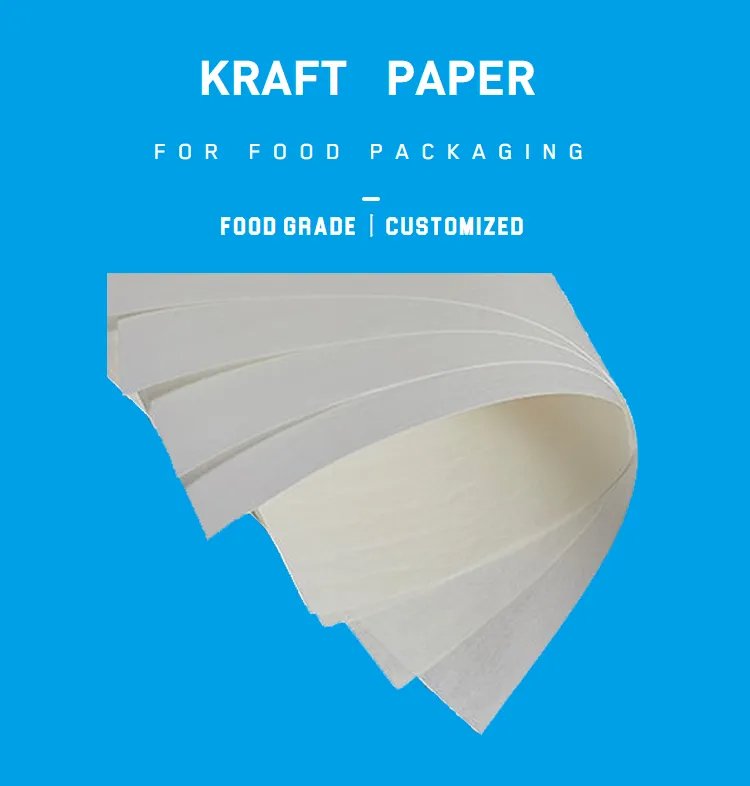
4. Kraft Paper
Natural kraft paper is made from wood pulp and known for its strength and recyclability. It is food-grade when uncoated or treated.
Common applications include:
Wraps for sandwiches and deli foods
Carry-out packaging
Custom-printed branding wrappers
Eco-friendly food packaging solutions
5. Aluminum-Backed Food Wrapping Paper
Some food wrapping papers include an aluminum layer for superior heat retention and insulation.
Ideal for:
Grilled foods
Warm sandwiches and burritos
Roasted meat items
Retaining heat during delivery
Key Features of High-Quality Food Wrapping Paper
Oil and Grease Resistance
Food wrapping paper must withstand oils and fats without becoming soggy. This ensures clean handling and professional presentation.
Moisture Control
Quality materials prevent moisture transfer, helping maintain food crispiness, texture, and freshness.
Heat Resistance
For baked or warm foods, heat-resistant options like parchment paper ensure safe, non-toxic usage.
Food-Grade Safety
Food wrapping papers follow FDA and EU food safety standards, ensuring no harmful chemicals migrate into food.
Sustainability
Eco-friendly food wrapping materials include:
Recyclable kraft paper
Biodegradable wax coatings
Compostable parchment options
Soy-based ink printing
Sustainable packaging enhances a brand’s environmental responsibility and appeal.
Benefits of Using High-Quality Food Wrapping Paper
1. Enhances Food Freshness
Food wrapping paper provides the ideal balance of breathability and protection, ensuring food stays fresh longer. Bakeries and cafes particularly benefit from papers that prevent staleness and sogginess.
2. Promotes Hygiene and Safety
A primary function of food wrapping paper is preventing contamination from:
Dust
Bacteria
Direct handling
External odors
Additional resources:
Premium Food Grade Kraft Wrapping Paper for Safe and Fresh Packaging
Transform Your Brand: Overcoming Custom Printing Challenges for Maximum Impact
This creates a safe packaging environment.
3. Improves Brand Visibility
Custom-printed wrapping paper featuring logos, patterns, and color schemes strengthens brand identity and enhances the customer experience.
4. Supports Sustainability
Consumers increasingly prefer eco-friendly packaging. Food wrapping paper made from recycled, biodegradable, or compostable materials significantly reduces environmental impact.
5. Versatility Across Industries
Food wrapping paper is used across:
Restaurants and fast-food chains
Bakeries
Food trucks
Supermarkets
Catering services
Convenience stores
Applications of Food Wrapping Paper
Fast Food Packaging
Items such as burgers, sandwiches, hotdogs, and fried snacks require durable, grease-resistant paper that enhances presentation and maintains temperature.
Bakery Products
From croissants and cakes to cookies and bread rolls, food wrapping paper protects delicate textures while preventing moisture transfer.
Butcher and Deli Wraps
Butchers rely on kraft and waxed papers to wrap meat, cheese, and cold cuts, ensuring a professional and sanitary packaging solution.
Takeout and Delivery
In the booming delivery industry, heat-retaining and moisture-resistant wrapping papers help preserve food quality during transport.
Cafés and Coffee Shops
Many cafés use stylish, custom-printed wrapping papers to enhance their branding and elevate customer experience.
How to Choose the Right Food Wrapping Paper
1. Consider Food Type
Oily foods → greaseproof paper
Baked goods → parchment paper
Hot wraps → aluminum-layered paper
Cold items → wax paper
Eco-focused packaging → kraft paper
2. Determine Thickness and Strength
Thicker papers offer better resistance for heavy or greasy foods, while thinner papers may suit light bakery items.
3. Evaluate Sustainability Goals
Businesses wanting to reduce environmental impact should choose recyclable or biodegradable options.
4. Check Certifications
Ensure the wrapping paper is certified food-safe and complies with industry regulations.
5. Custom Printing Options
Branding is crucial. Choose suppliers offering:
Full-color customized printing
Eco-friendly soy-based inks
Fast turnaround times
Multiple grammage and size options
Why Businesses Prefer Food Wrapping Paper Over Plastic
Plastic packaging is increasingly restricted due to environmental concerns. Food wrapping paper offers advantages such as:
Biodegradability
Recyclability
Lower carbon footprint
Safe direct food contact
Premium appearance
Food wrapping paper supports sustainability without compromising on performance or versatility.
Future Trends in Food Wrapping Paper
1. Eco-Focused Innovations
Expect more products using:
Plant-based coatings
Recycled fibers
Compostable materials
2. Advanced Food Preservation
New technologies aim to boost freshness using moisture-control and anti-bacterial treatments.
3. Custom Digital Printing
Short-run, high-quality digital printing allows small businesses to brand their packaging affordably.
4. Heat-Retention Breakthroughs
Improved thermal-layered papers will optimize delivery performance in the food service sector.
Conclusion
High-quality food wrapping paper is essential for food safety, freshness, branding, and sustainability. With versatile types like greaseproof, parchment, wax, and kraft paper, businesses can choose the perfect packaging to meet operational and marketing needs. As eco-friendly solutions continue to evolve, food wrapping paper remains a smart, reliable, and future-ready choice for the food industry.